The Most Important Pantry Staples I Keep in Stock

Updated: Mar 2
This post contains affiliate links. I may earn a small commission at no extra cost to you.
The past few years have taught me an important lesson: never take the food supply chain for granted. It can be interrupted at any moment, for any reason.
Having a well-stocked pantry—and a thoughtfully prepared medicine cabinet—gives peace of mind and flexibility.
In this post, I’m sharing the pantry staples and medicine cabinet essentials I keep stocked in my own home, along with simple storage and organization tips that make it manageable—even in smaller spaces.
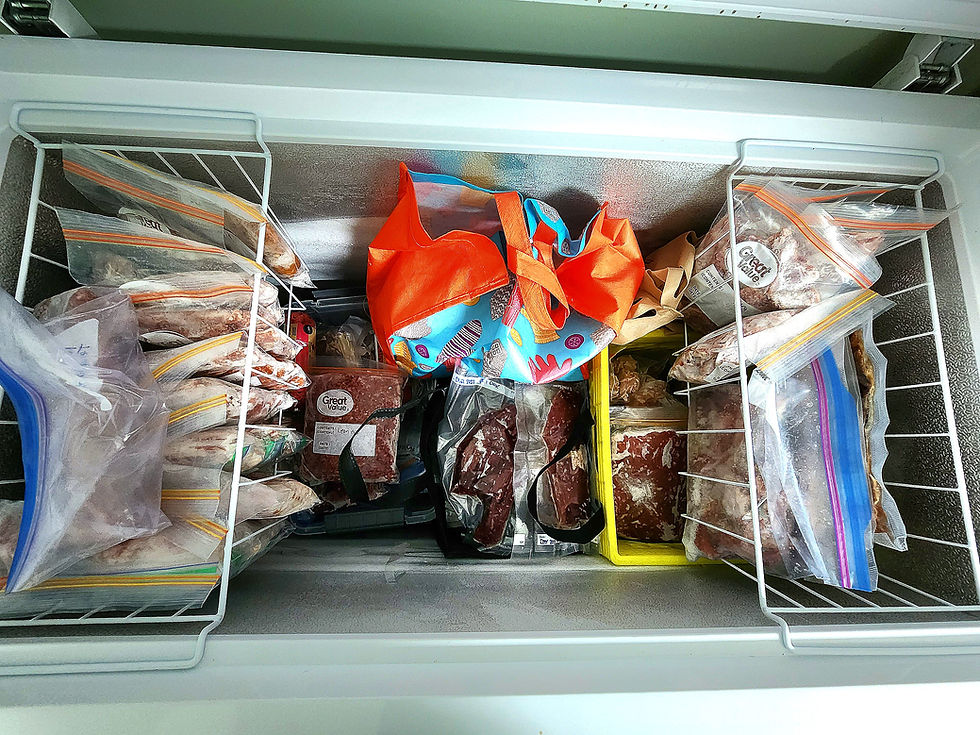
For more on why I keep a full pantry and freezer, check out my post: Six Reasons to Keep Your Pantry and Freezer Full.
Why I Stock Two of Most Items
My partner often asks why I buy two of everything. One is for immediate use, and the other is for later. My motto?
“It keeps!” or “You can freeze it!”
This approach helps prevent running out of essentials and saves money by taking advantage of sales.
Pantry Staples I Keep on Hand (Everyday Essentials)

Store-Bought Pantry Staples
Flour – I keep several types, including 10 kg of all-purpose for homemade bread. I store them in airtight containers. Amazon has a great selection of sizes and styles. If you know you won't go through your stash within 6 months, I recommend storing your flour in the freezer.
Oats – I buy sprouted glyphosate-free oats from Costco, but quick oats are available at Walmart or Real Canadian Superstore. Bulk Barn is another option. I've also purchased from Organic Matters this year. Good quality products and everything is organic!
Sugar (white/brown) – Usually purchased from Costco (organic cane sugar), but again, I've purchased from OM this year.
I now make my own brown sugar though.
Nuts – A bit pricey, but full of nutrients and great for baking and snacking. Costco usually has the best deals.(Post coming soon!)
Rice – I keep at least two types: white and basmati. Stored in sealed flip-top containers to keep moisture out.
Dry Beans – Kidney beans, chickpeas, and black beans are my go-tos. I buy dry beans and pressure can them at home. (More on my canning tips coming soon!)
Lentils – Great for soups and versatile dishes. Easy to store long-term.
Pasta – Sale prices make stocking up simple. Catelli or Lancia brands work well; I avoid stickier brands like Antonio Amato from Costco. My favourite brand is Garofalo organic from Costco.
Coconut Milk – Adds creaminess to soups. Make sure it’s coconut milk, not coconut cream (different consistency).
Honey – We now have bees on our property, but I used to buy Costco’s three-pack for convenience.
Maple Syrup – Costco offers the best prices in town.
Home-Canned Items
Broths/Stocks – Chicken, beef, and vegetable broths are easy to make and preserve. Freeze in cubes or jars, or pressure can for shelf stability. I follow Bernardin’s protocol.
Tomato Products – Paste, soup, and crushed tomatoes are pantry essentials. I buy paste and canned soup but make crushed tomatoes, pizza sauce, and BBQ sauce at home when possible. Roma tomatoes on sale are perfect for this. This year, all those things came from my garden's tomatoes.

Medicine Cabinet Essentials I Keep Stocked
This article was written in 2023. Since then, my personal approach has shifted, though I’m keeping this list available for readers who prefer these options. I’ve also shared an updated post outlining the natural alternatives I now keep at home.*
Having medication on hand is like buying insurance. You may not need it every day, but you’ll be thankful it’s there in an emergency.
Band-Aids & Gauze – Stock up during sales. Maxi pads work as a cheap option for major wounds. I have purchased gauzes from Coop healthcare store this year but I don't know if they have the best prices.
Butterfly Bandages – Perfect for wider or deeper cuts. [Link Here]
Pain & Fever Relief – Ibuprofen and acetaminophen if you take those (store brands work fine).
Nausea & Digestive Aids – Ginger tablets, Pepto-Bismol, anti-diarrhea meds.
Cold & Flu – Medicated and non-medicated lozenges (Cepacol, Dequadin, Ricola).
Rubbing Alcohol & Hydrogen Peroxide – Useful beyond cuts, for household emergencies.
Tums – For occasional acid reflux.
Muscle & Joint Relief – A535 or similar creams are handy after 30!
Ice & Heat Packs – Freezer packs or traditional pea bags work well. Magic Bag brand is great for shoulders.[Link Here]
Eye & Antibiotic Drops – Visine and Similasan (homeopathic [Link here]) for pink eye.
Vitamins & Supplements – Zinc, Vitamin C, and Vitamin D for immune support.
Home-Made Immune Booster Tincture – I try taking this regularly.
Items I’m Adding to My Emergency & Trauma Kit in the next year
Thermometer
Rounded scissors
Tourniquet
Quick clot bandages
CPR mask
Foil blankets
Chest seal
Basic suture kit
Key Takeaways
Stock what you use, and use what you stock.
Focus on staples your household actually consumes. Don’t buy beans if no one eats them!
Combine store-bought and home-canned items for variety, nutrition, and long-term storage.
Keep essential medicine handy—treat it like insurance, not just another item to buy.
By keeping these pantry and medicine cabinet essentials on hand, you’ll save money, reduce stress, and be prepared for everyday life—and unexpected events.