
Natural Home Remedies: What I Keep in My Medicine Cabinet
Updated: May 16
I used to keep a drawer full of over-the-counter medications “just in case.”Tylenol, Advil, Claritin, Pepto-Bismol, Aleve, Benadryl, hydrocortisone cream, Polysporin (and the eye drops), Tums, Imodium—you name it, I had it.
Over time, my approach to health shifted, and I gradually stopped stocking most of those products. This didn’t happen overnight, and it’s not about fear or perfection—it’s simply the direction I chose for my home.
These days, I rely on a more natural, home-based medicine cabinet built around simple remedies I actually use.
In this post, I’m sharing the natural home remedies I keep on hand for everyday situations, including:
headaches
sore muscles and joints
skin issues (rashes, cuts, and minor infections)
colds and congestion
and more
These are practical, low-tox options that have worked well in my own household.
What follows reflects what I personally keep and use. If you’re curious about building your own natural medicine cabinet, this can serve as a starting point.
If you prefer conventional over-the-counter medications, my original list is still available here → [link here]
As always, this post reflects personal choices, not medical advice. Everyone’s health needs, comfort levels, and situations are different, and it’s important to do what feels right for you.
For more like-minded posts, check out:
How I think about “natural medicine” now
When I think about natural medicine now, I see it as a way to support the body rather than immediately suppress symptoms. I see symptoms as a sign, rather than as a problem. I use these remedies for minor, everyday issues and general wellness, not as a replacement for medical care. It’s important to understand that the benefit-to-risk ratio is sometimes in favor of conventional medicine.
Natural Medicine Cabinet Essentials
🌿 Natural Home Remedies for For fevers & inflammation
When dealing with fever or inflammation, the goal is to support the body’s natural response while staying comfortable and well-hydrated.
Cold compresses
Add peppermint oil for an extra cooling effect.
Rest, hydration
Sauna to support the fever
Can support circulation and sweating—skip if fever is high
Herbal support
Gentle herbs traditionally used for inflammation: peppermint, ginger, echinacea, yarrow
Homeopathic remedies
(symptom-based; do your own research)
Examples: Belladonna, Arnica Montana, Bryonia Alba, Gelsemium, Ferrum Phosphoricum, Chamomilla, Oscillococcinum
Tissue salts
Lymphatic massage
Supports circulation and drainage
🌿 What I Use For Headaches
When a headache starts, I focus on hydration, tension release, and supporting common triggers like blood sugar and mineral balance.
Water + electrolytes
First step—dehydration is a common trigger
Check blood sugar + eat something light
A piece of fruit or small snack if you haven’t eaten in a while
Magnesium bisglycinate
Supports muscle relaxation and is commonly used for headaches and migraines
Peppermint oil (diluted)
Applied to neck, temples, or forehead for a cooling effect
Cold compress
Placed on forehead or back of neck for relief
Ginger tea
Can help with migraine-related nausea and inflammation
Gentle stretching
Neck, shoulders, and upper back to release tension
Homeopathic remedies
(symptom-based; do your own research)
Belladonna is commonly used in migraine protocols, along with others like Gelsemium or Bryonia depending on symptoms

🌿 Natural Ways to Soothe Skin Problems (Rashes, Cuts & Minor Infections)
For minor skin issues, the focus is keeping the area clean, supporting healing, and calming inflammation.
Clean bandaging
Protects the area and supports proper healing
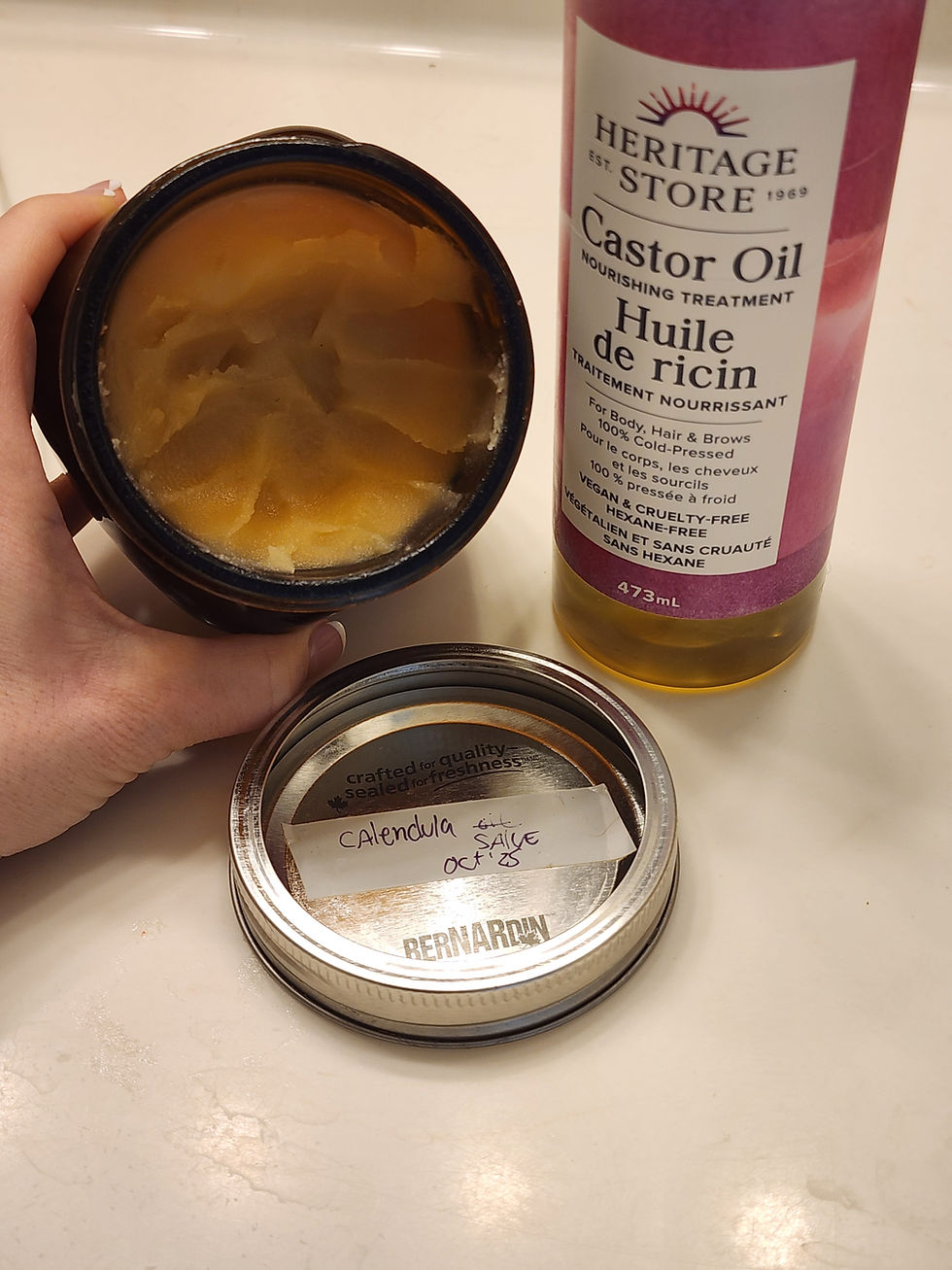
Calendula oil or salve
Traditionally used to soothe irritated skin and support healing
Raw honey (topical)
Applied to minor cuts or irritated skin for its soothing and protective properties
Colloidal silver spray or cream
Often used for minor skin irritation (use externally only and as directed)
Antifungal / antibacterial oil blend (for athlete’s foot and similar issues)
Essential oils like tea tree, oregano, and clove must be diluted in a carrier oil before applying to skin
🌿 Simple Remedies for Digestive Issues
For common digestive discomfort, I focus on soothing irritation, supporting digestion, and easing cramping or nausea.
Hydration and Electrolytes
Ginger (tea or tablets)
Commonly used for nausea, bloating, and sluggish digestion
Peppermint tea
Helps relax digestive muscles and reduce bloating
Chamomile tea
Gentle support for digestion and calming the nervous system
Castor oil packs (abdomen)
Traditionally used for abdominal discomfort and sluggish digestion
Homeopathic remedies
(symptom-based; do your own research)
Common options include Nux vomica and Pulsatilla depending on symptom presentation
🌿 Natural Home Remedies For Colds, congestion & immunity
When I feel a cold coming on, I focus on clearing congestion, supporting the immune system, and keeping the body warm and hydrated.
Congestion relief
Steam inhalation
Helps loosen congestion; can include eucalyptus or peppermint for added effect
Mullein tea or tincture
Traditionally used to support respiratory comfort and clear mucus
Warm broths
Mineral-rich and easy to digest, especially when appetite is low
Soothing support
Honey in warm (not hot) tea
Soothes throat irritation and adds gentle antimicrobial support
Echinacea tea
Commonly used in early stages of immune support
Elderberry syrup
Often used for seasonal immune support during colds
💊 Nutritional immune support
Vitamin C + Zinc
Common foundational support during immune stress
Vitamin D (liquid drops)
Especially helpful during low-sunlight months. I use this one: Link here
Symptom-based homeopathic support
(Homeopathic remedies are selected based on specific symptom patterns; do your own research)
Common options include:
Bryonia
Gelsemium
Nux vomica
Pulsatilla
Oscillococcinum
Commercial remedies I keep on hand
Boiron Stodal cough syrup (multi-symptom (red box)+ cough formulas (yellow box))
🌿 Natural Home Remedies For Sore muscles and joints

For muscle and joint discomfort, I focus on reducing inflammation, improving circulation, and supporting recovery through gentle movement and minerals.
Heat & cold therapy
Cold compresses
Best for swelling or acute soreness
Warm compresses
Helpful for stiffness, tension, and tight muscles
Topical support
Comfrey oil
Traditionally used for bruises, strains, and tissue support
Arnica salve or homeopathic preparation
Commonly used for soreness and minor injury recovery
Peppermint oil (diluted)
Provides a cooling sensation and temporary pain relief
Magnesium spray or gel
Used to support muscle relaxation and cramp relief

Mineral + recovery support
Epsom salt baths
Commonly used to relax muscles and ease tension
Hydration + electrolytes
Supports muscle function and recovery (often overlooked but important)
Movement & circulation
Gentle stretching
Helps reduce stiffness and improve mobility
Walking (if possible)
Encourages circulation and prevents muscles from tightening further
🌿 At-Home Remedies for Sleep, Stress & Nervous System Support
For sleep and stress, I focus on calming the nervous system, reducing stimulation, and supporting the body’s natural wind-down process.
Calming supports
Chamomile tea
Traditionally used to support relaxation and sleep
Tissue salt (Kali Phos No. 6)
Commonly used in natural systems for nervous tension and mental fatigue
Boiron Quietude
Homeopathic remedy often used for restlessness and sleep support
Nervous system regulation
Reduced stimulation
Lowering noise, screens, and mental input before bed
Box breathing or deep breathing exercises
Helps regulate stress response and calm the body
Fresh air
Simple reset for overstimulation or anxiety
Humming
Gentle vagus nerve stimulation technique used for calming
Movement + release
Meditation or stillness practices
Helps downshift mental activity and support sleep onset
Light physical activity
Walking or gentle exercise earlier in the day to help “move stress out” of the system
What I don’t rely on natural remedies for
There are situations where home care isn’t enough, and I choose conventional medical care instead. This includes anything that feels serious, worsening, or outside of basic home support.
Examples include:
Suspected serious or internal infections (such as UTIs)
Deep cuts or injuries that may require stitches
Breathing difficulties or chest-related symptoms
Unusual, severe, or rapidly changing symptoms
In these cases, I don’t try to “wait it out”—I prefer to have a medical professional assess what’s going on.
How this fits into grocery planning
Most of the remedies in this list are intentionally simple, low-cost, and easy to integrate into everyday life. I prefer keeping things practical and multi-use whenever possible.
For example, many items serve both nutritional and household purposes—like honey used in food and for soothing support. Most ingredients are shelf-stable, budget-friendly, and don’t require specialized storage.
I also lean toward ingredients that:
Can be used in multiple ways
Don’t add clutter or complexity
Can be stored long-term or grown at home (in the case of herbs)
Help reduce unnecessary impulse purchases
Even homeopathic remedies and herbal options are generally inexpensive and easy to keep on hand without overstocking.
The goal is a simple, functional home setup—not an overcomplicated system.

