
Simple Natural Cleaning Alternatives That Actually Work


I used to feel completely overwhelmed by the cleaning aisle — so many bottles, so many “green” promises, and yet I was juggling a dozen products just to keep our home in order. The constant decision fatigue and inventory management became exhausting, and I realized most homes don’t need 12 different cleaners to get the job done.
Even searching the EWG database for safer, low-tox options didn’t make it easier — the choices are overwhelming, and the truly clean, affordable products are limited. That’s why I turned to simple, natural ingredients I could rely on — ones that actually work, are budget-friendly, and keep my home healthy.
In this post, I’m sharing how I simplified our cleaning routine with just a few natural alternatives that actually work, and how you can do the same.
Are you interesting in more low-tox posts?
Make sure to check out:
What Makes a Natural Cleaning Alternative Worth Making
A natural cleaning alternative is only worth making if it’s practical in everyday life. It should clean effectively, be affordable, and remain simple to mix, store, and use without complicated recipes or hard-to-find ingredients. Ideally, a good natural cleaner should also replace multiple specialty products, helping reduce clutter, simplify routines, and make it easier to stick with a low-tox cleaning system long term.
The Core Natural Cleaning Alternatives
White Vinegar - The Real Workhorse
White vinegar is one of the most versatile natural cleaning ingredients you can keep at home. It can replace several common products, including glass cleaner, hard water removers, and even fabric softener in the laundry. Its acidity helps cut through mineral buildup, making it especially effective for cleaning windows, removing shower buildup, and tackling grime inside appliances like kettles or coffee makers. For most household uses, you can use either regular 5% white vinegar or 10% cleaning vinegar for stronger jobs.
One important exception: vinegar should not be used on natural stone surfaces such as granite or marble, as the acidity can damage the finish over time.
Baking Soda - The Gentle Scrubber
Baking soda is a simple but powerful natural cleaner that works as a gentle abrasive without scratching most surfaces. It can easily replace soft scrub products and deodorizing powders, making it a versatile staple in a low-tox cleaning routine. It’s especially useful for scrubbing sinks, tackling stubborn spots in the oven, and naturally deodorizing spaces like the fridge. Its mild abrasive texture helps lift grime while its natural odor-absorbing properties neutralize unwanted smells.
Castile Soap (Multi-Surface Base Cleaner)
Castile soap is a versatile, plant-based cleaner that can replace several everyday household products, including all-purpose spray, floor cleaner, and even hand soap.
Castile soap is traditionally made from olive oil, though modern versions often include other vegetable oils such as coconut or hemp oil to improve lather and cleaning performance
Its gentle but effective formula works well on a wide range of surfaces, making it a reliable base for many natural cleaning routines. The best part is that it doesn’t require complicated recipes — simply mix water with a small amount of castile soap to create a simple, effective cleaner for everyday use around the home.
Hydrogen Peroxide (When You Need Disinfecting)
Hydrogen peroxide is a helpful natural option when you need a bit more disinfecting power. In many situations, it can replace bleach while still effectively tackling bacteria and stains. It works well for cleaning bathroom surfaces, treating stubborn stains, and sanitizing items like cutting boards. One important thing to remember is storage: hydrogen peroxide should always be kept in a dark bottle, as exposure to light causes it to break down and lose its effectiveness over time.
Note: Hydrogen peroxide and rubbing alcohol can both be used for disinfecting (Do NOT mix them together!) , but they aren’t identical. Hydrogen peroxide is better for stains, bathroom surfaces, and cutting boards, while rubbing alcohol works well for quick disinfecting and surfaces where fast evaporation is helpful, such as electronics or glass.
Microfiber Cloths (The Real Secret)
One of the biggest secrets to effective natural cleaning isn’t actually a product — it’s the tools you use. Microfiber cloths provide powerful mechanical cleaning by trapping dust, grease, and bacteria within their fibers, which means you often need far less cleaning solution than you think. In many cases, people end up overusing products simply because their tools aren’t doing the real work. Pairing good cloths with simple ingredients can dramatically improve results. Durable scrubbing sponges can also help tackle tougher messes on sinks, dishes, and stovetops — I personally like using Scrub Daddy and Scrub Mommy sponges.
Other low-tox/ low-waste tools ideas:
Swedish Cloths: [Link Here]
European Scrubbing Pads: [Link Here]
Glass Spray Bottles: [Link Here]
Razor Blade for Oven Door: [Link here]
Copper Scrubbers and wooden brush by Redecker brand for best quality
Essential Oils: Natural Boosters for Your Cleaning Routine
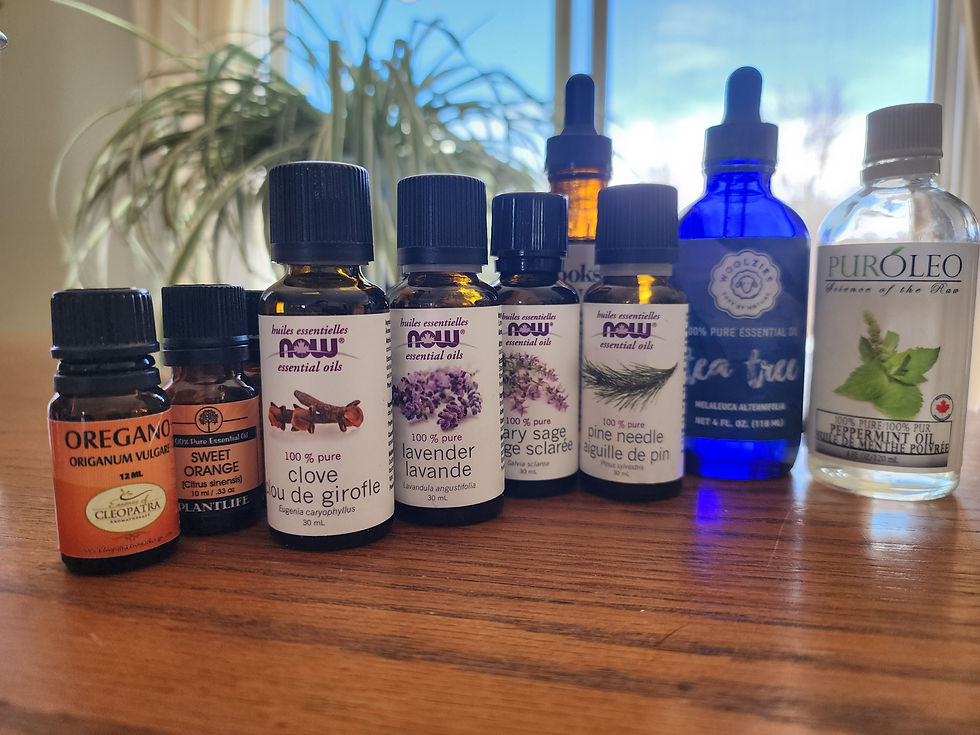
Essential oils aren’t just for scent — they can actually enhance the effectiveness of natural cleaning solutions. Some people wonder which essential oils have antibacterial properties when making DIY cleaners.The best essential oils for cleaning are tea tree, lemon, lavender, and eucalyptus because they have antimicrobial properties that can help reduce bacteria and mold on surfaces, while also leaving a fresh, natural aroma. They work well when added to vinegar, castile soap, or baking soda-based cleaners, giving your homemade products a gentle, effective boost without relying on harsh chemicals.
🔹 Less Common Essential Oils For Cleaning
Oregano oil — strong antibacterial and antifungal properties; excellent for tough spots (use sparingly and diluted).
Thyme oil — contains thymol, a compound shown to inhibit bacteria.
Cinnamon leaf or bark oil — potent antimicrobial action; great in kitchen cleaning blends (use diluted to avoid irritation).
Clove oil — high eugenol content gives it strong antimicrobial performance.
Pine oil — widely used in natural cleaners for its deodorizing and antibacterial qualities.
Eucalyptus oil — antimicrobial and refreshing; works well in bathroom cleaners.
Peppermint oil — helps deter mildew and adds a fresh scent.
Frankincense — mild antibacterial and uplifting aroma, useful in general surface cleaners.
Tips for Use:
Add just a few drops (3–10) per cup of cleaner; essential oils are concentrated.
Test on a small area first to ensure they don’t react with the surface.
Use oils like lemon or orange for grease-cutting power, or tea tree for areas prone to mold and mildew.
Essential oils let you customize both the cleaning power and the scent profile of your natural cleaners, making your home healthier and more enjoyable to live in.
Do essential oils really work?
Antibacterial & Antifungal Effects
A 2019 review on oregano oil found that oregano and thymol‑rich oils showed strong antibacterial activity against multiple pathogens in lab settings.(Sources: Journal of Food Science and Technology – essential oils and antimicrobial activity)
A 2014 study showed that cinnamon, clove, thyme, and oregano essential oils exhibited significant inhibitory effects on E. coli and Staphylococcus aureus in vitro.
Viral Inactivation
Some research (e.g., studies on tea tree and eucalyptus oils) indicates activity against enveloped viruses in controlled lab situations — though results vary and research is ongoing.(Important nuance: viruses behave differently in real‑world environments vs. petri dishes.)
Mechanism of Action
Many essential oils contain compounds like:
Thymol (thyme, oregano)
Carvacrol (oregano)
Eugenol (clove)
Cinnamaldehyde (cinnamon)
Terpinen‑4‑ol (tea tree)
These constituents can disrupt bacterial cell membranes and inhibit growth when applied at sufficient concentrations.
Why Fewer Products Keep Homes Cleaner
Using fewer cleaning products isn’t just about minimalism — it actually makes maintaining a clean home easier and more efficient. With a smaller selection, you reduce decision fatigue, simplify storage, and can reset your cleaning routine faster. Fewer products also mean lower long-term costs, making your approach both practical and budget-friendly. More importantly, this philosophy turns cleaning into a mindful, habit-driven practice rather than just following a list of recipes. As I mentioned in my previous post, “How to Keep a Clean Home: What Being a Housekeeper Taught Me,” products alone don’t clean homes — habits do.
Natural Cleaning Mistakes to Avoid
Even when using natural ingredients, it’s easy to make mistakes that reduce effectiveness or even damage surfaces. Common missteps include mixing vinegar with castile soap, which can neutralize the soap and leave a residue, or using vinegar on stone surfaces, which can etch or dull the finish. Overcomplicating recipes by adding too many ingredients can also be counterproductive, making cleaning more cumbersome rather than simpler. Finally, it’s important not to assume that essential oils automatically disinfect — while they can provide antimicrobial support, they don’t replace proper cleaning practices.
Frugal Breakdown
Switching to natural cleaning ingredients isn’t just about reducing toxins — it can also simplify your budget. Many households spend roughly $240–$600 per year on conventional cleaning supplies from the cleaning aisle, often buying multiple specialty products for different surfaces and tasks. By contrast, a simple system built around just four or five core staples — such as vinegar, baking soda, castile soap, hydrogen peroxide, and a few reusable tools — can replace many of those individual products. Instead of constantly restocking different bottles, you’re working with a small set of reliable ingredients that cover most cleaning needs. The result isn’t just a DIY trend, but a practical, low-tox system that simplifies both cleaning routines and household spending.
🧼 Simple Natural Cleaning Kit
The only cleaning tools I keep on hand
Microfiber cloths: [Link Here]
Basic scrub brush/scrub sponge : [Link Here]
Spray bottles: [Link Here]
Dark glass bottle for peroxide: [Link Here]
Castile soap (unscented is best. You can add scent with essential oils.) [Link Here]
Vinegar (Regular or you can find 10% cleaning vinegar at the dollar store or almost any grocery store)
Baking soda (Great price at Costco!)
Natural cleaning doesn’t have to be complicated, and keeping a home clean doesn’t require a cabinet full of specialty bottles. In many cases, a small set of simple ingredients and the right tools can handle most everyday cleaning tasks. The real key is building a reliable system rather than constantly relying on new products — because, as I mentioned in my blog post How to Keep a Clean Home: What Being a Housekeeper Taught Me , systems keep homes clean far better than products do.

